

In October 1970, British Petroleum made a significant discovery in the Forties Field, marking the beginning of the ‘North Sea scramble.’ The find was described as yielding high-quality oil, sparking a rush that intensified in 1975 when drilling operations commenced.
Prior to this, consumers had been facing steep prices for oil imports from the Middle East. The emergence of oil reservoirs in the Forties Field, along with future sites, promised energy stability, a substantial economic upswing, and job creation.
However, the harsh weather conditions in the frigid waters posed significant dangers to the workers. Despite the allure of higher wages compared to onshore jobs, workers endured extended periods away from home, residing in cramped quarters amidst some of the most challenging seas globally.
Victor Gibson, a marine journalist and author of ‘North Sea Oil: A History – 60 Years of Triumph and Tragedy,’ delves into the industry’s evolution over the past six decades, highlighting the initial exploration efforts and the subsequent development of the sector.
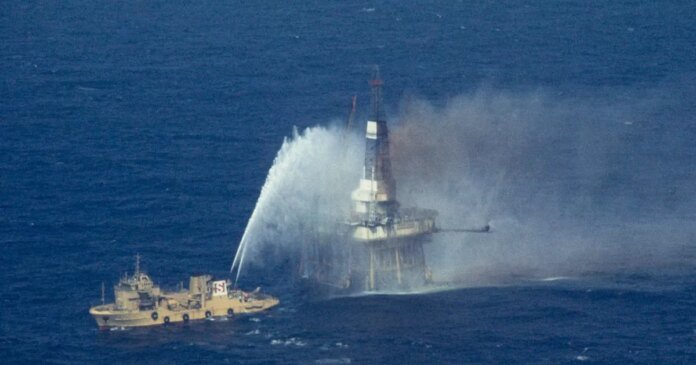
Reflecting on the perilous rig life, particularly exemplified by the Piper Alpha Disaster in 1988, which claimed the lives of 167 individuals, Gibson emphasizes the significance of both the human element and the technological advancements in the North Sea oil narrative.
Recent developments in the North Sea oil sector have brought it back into the spotlight, with political discourse around net zero regulations and energy company strategies reshaping the industry landscape.
Having spent two decades at sea, with ten years as a master of supply ships in the North Sea, Gibson underscores the blend of triumphs and tragedies that define the offshore oil industry. He recounts the industry’s progression from modest beginnings to the current era of advanced technologies and practices.
The challenges faced by seafarers working in the North Sea underscore the resilience and fortitude required to navigate the treacherous waters. Gibson’s insights shed light on the demanding, yet fulfilling, experiences of those who braved the elements to contribute to the region’s oil production.
Despite the risks and hardships, Gibson’s recollection of the camaraderie and mutual reliance among rig workers paints a picture of a tight-knit community bound by a common goal of safety and operational efficiency.
As discussions on the future of North Sea oil extraction continue, Gibson advocates for further licensing and exploration in the region, emphasizing the industry’s importance and the need for continued advancements in safety protocols and operational standards.