
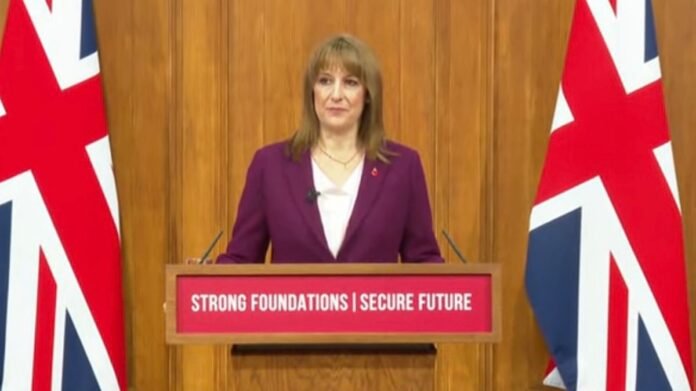

Rachel Reeves delivered a significant pre-Budget speech today, hinting at potential tax increases by emphasizing the need for collective effort. Despite prior pledges, the Chancellor acknowledged the challenging economic conditions and signaled a departure from Labour’s commitment to refrain from raising income tax, VAT, or national insurance.
Addressing the nation from Downing Street, Reeves criticized the Conservative government’s austerity measures, describing them as detrimental to the country. She also highlighted the adverse impact of the hurried Brexit deal on businesses attempting to engage in trade.
Emphasizing transparency, Reeves expressed her responsibility to communicate the repercussions of past decisions honestly. She asserted her commitment to making decisions based on what is right rather than what is popular, rejecting the notion of further austerity measures.
Looking ahead to the upcoming Budget on November 26, Reeves outlined her priorities, which include reducing NHS waiting lists and alleviating the financial burdens on struggling individuals. She pledged to craft a budget focused on fostering growth while ensuring fairness.
Reiterating her dedication to shielding families from high inflation and interest rates, Reeves underlined the importance of safeguarding public services and maintaining fiscal responsibility for future generations. She urged collective participation in securing the nation’s well-being and prosperity.
Pressed on Labour’s manifesto commitment regarding tax policies, Reeves deferred specifics to the Budget announcement, emphasizing that her current address aimed to provide context for the economic challenges ahead.
The discourse unfolded amidst speculations of an imminent income tax hike, prompting discussions on the government’s financial direction and the lasting impacts of previous policy decisions on the economy. Reeves remained resolute in her focus on charting a path towards a more promising future for the country.
Notable figures, including Keir Starmer and TUC General Secretary Paul Nowak, supported Reeves’ stance on addressing the cost of living crisis and revitalizing public services after years of neglect. They emphasized the importance of a fair and progressive tax system that prioritizes equitable contributions from all sectors of society.
Conversely, Tory leader Kemi Badenoch criticized Reeves for what she perceived as evasions and blamed shifting accountability for economic challenges. Badenoch accused the opposition of prioritizing tax hikes over fiscal discipline, signaling a growing divide in political perspectives on economic management.
Amidst differing opinions and calls for reform, the discourse on tax policies and economic strategies continues to shape the national dialogue on financial stability and social welfare.