
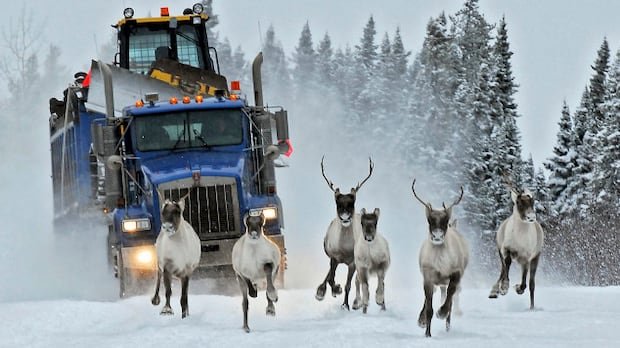

Even though a species may be deemed at risk in Canada, the process of deciding whether to protect it can be lengthy, allowing the crucial habitat it depends on to undergo changes. A recent examination revealed that out of 288 species evaluated as at risk since 2017, only 17 made it to the Governor in Council within the suggested timeframe. Surprisingly, more than half of them, totaling 153, were behind schedule and awaiting a decision as of January 25, 2025.
This delay affects various species like caribou, beluga whales, and lake sturgeon, which have been classified as endangered or threatened while awaiting the listing verdicts that could trigger protective measures for their habitats and a recovery strategy.
The study points out a bottleneck in the Species at Risk Act (SARA). Although Ottawa has outlined timelines for advancing assessments, a critical stage in the process lacks a statutory deadline.
The reasons for these delays were not specified in the study. Critics believe this gap enables authorities to defer tough decisions between conservation and economic interests.
Peter Thompson, the lead author of the study and a postdoctoral researcher at Simon Fraser University in Burnaby, B.C., noted the government’s consistent failure to meet its self-imposed timelines, which ranged from one to two years.
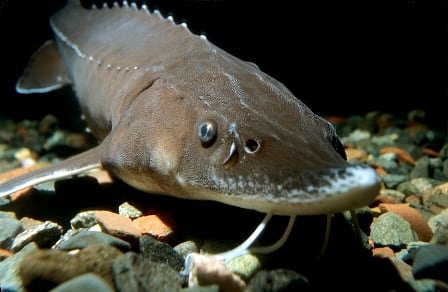
A lake sturgeon rests along the riverbed. The Saskatchewan-Nelson River population was assessed as endangered in 2017 and has spent years awaiting a federal listing decision. (Eric Engbretson Underwater Photography/WWF-Canada)
For instance, the Saskatchewan-Nelson River population of lake sturgeon exemplifies this issue. This long-lived fish species, which can reach lengths of up to three meters and live for over a century, faced a decline of around 90% since the 1960s. Despite being designated as endangered in 2017 by COSEWIC, it failed to meet the federal deadline for assessment progression on January 18, 2020, and remained in limbo five years later.
Thompson emphasized the significance of these delays, particularly due to man-made obstructions like dams hindering the fish’s movement across essential areas.
“It’s obstructing these species from accessing vital locations for survival,” he mentioned.
Deferred Protection Measures
A scientific evaluation by COSEWIC alone does not alter a species’ legal standing under SARA; this depends on the formal listing or reclassification by the federal government.
Under the Species at Risk Act, listing a species as endangered or threatened can trigger restrictions against activities like harming, capturing, or disturbing them. The legislation mandates a recovery plan that identifies critical habitats wherever feasible. Once identified, SARA entails measures for their safeguarding.
The safeguards are especially crucial for aquatic species as SARA’s core restrictions apply to them nationwide, unlike terrestrial species, which are primarily protected on federal lands.

<p class="imageCaption-o