
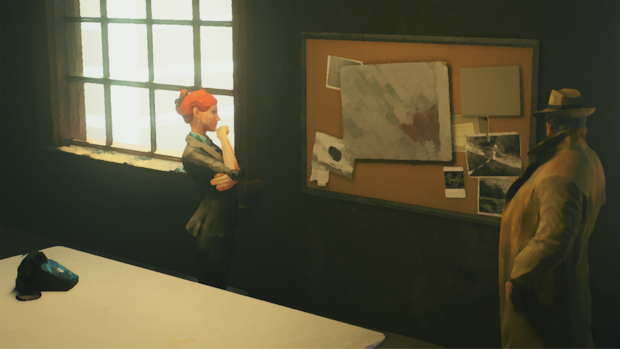

A fresh independent game development studio has emerged with a team leveraging their experience from renowned gaming companies to navigate the ever-evolving industry landscape.
Operating from Edmonton, Studio Reset comprises a trio of developers who previously collaborated at various firms, including Bioware, known for iconic titles like Mass Effect and Dragon Age. Creative director Kaelin Lavallee departed Bioware in 2015, collaborating with different game companies before co-founding Studio Reset with Kris Schoneberg and Francis Lacuna earlier this year.
Lavallee emphasized the allure of exploring the creative and production aspects of game development in this new venture. Studio Reset aligns with a trend seen in other Canadian indie game developers who have backgrounds in larger studios. Notable examples include Ambrosia Sky by Toronto’s Soft Rains, boasting ex-Ubisoft and Bethesda talent, and Reply All by Toronto’s Peculiar Path, featuring developers from franchises like Assassin’s Creed and Red Dead Redemption.
While venturing out with small teams in creative industries, particularly in the competitive video game sector, poses risks due to the vast number of annual releases, it allows developers to showcase their creative prowess as major studios become more risk-averse in pursuit of big hits.
The inaugural game from Studio Reset, The Eventide, is a supernatural mystery set in a Canadian “neon-noir” backdrop, drawing inspiration from The X-Files and narrative-based puzzle games. Players will select investigators from a range of characters to solve unsolved cases, each offering unique interpretations akin to Mulder and Scully from The X-Files, challenging players to unravel the truth.
The president of the Entertainment Software Association of Canada, Paul Fogolin, highlighted the symbiotic relationship between AAA and indie studios, contributing to a more robust gaming industry. Indie studios inject entrepreneurship and innovation, while larger studios provide resources, mentorship, and expertise.
Transitioning from AAA to indie development, as seen with Montreal’s Red Barrels, offers a return to hands-on game creation. Red Barrels’ success with Outlast in 2013 led to significant growth, proving that indie ventures can thrive and attract a substantial player base.
The landscape for game developers has shifted, with job security no longer guaranteed amid industry layoffs and financial constraints. The acquisition of Electronic Arts and potential layoffs signal a turbulent period for major game companies, prompting developers to consider the risks and rewards of independent ventures.
Despite the challenges, Lavallee and other developers emphasized the crucial support from organizations like the Canada Media Fund in providing initial funding for indie studios and games. The rise of indie studios like Phantom Rowboat, born from layoffs at Ubisoft, exemplifies a new wave of developers striving for sustainability and longevity in the competitive gaming market.
In a saturated gaming market with thousands of new releases annually, Studio Reset aims for success by attracting enough players to sustain their future projects. Their focus lies in catering to a niche audience with niche games, prioritizing a sustainable business model over explosive success.