
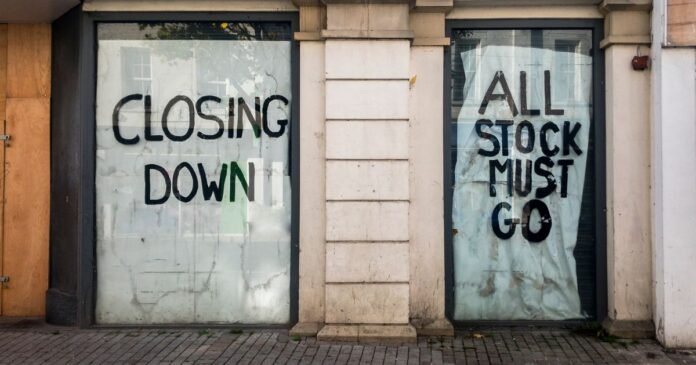

Up to 100,000 jobs on the high street are at risk if the Labour party proceeds with a tax reform, cautioned industry leaders. Around 400 major retail establishments in the UK, ranging from supermarkets to department stores, could shut down if changes to business rates are enforced. The British Retail Consortium (BRC) highlighted that there are approximately 4,000 large stores with a rateable value exceeding £500,000, the proposed threshold. If all 400 vulnerable stores close, it could result in a loss of 100,000 jobs and a significant decrease in business rates revenue for local councils.
During a recent meeting with store executives, Chancellor Rachel Reeves was urged to revamp the business rates system urgently. Jason Tarry, the chairman of John Lewis, emphasized the critical need to address exorbitant rates bills, which rank as the second largest expense after wages for the department store and Waitrose owner.
The BRC’s CEO, Helen Dickinson, stressed the importance of large stores in driving foot traffic to high streets and supporting surrounding businesses. She warned that if the government pushes these stores into a higher tax band, it could lead to the closure of 400 more large stores, resulting in job losses, vacant high streets, and reduced revenue for the government.
The BRC pointed out that the retail sector contributes 5% to the economy but bears over 20% of all business rates payments. Large stores, with a rateable value above £500,000, shoulder approximately one-third of the total business rates burden in the retail sector. Given the slim profit margins of retailers, a substantial rate increase could force them to raise prices, reduce staff numbers, or even shut down.
The BRC, representing 5,000 retailers directly or indirectly, including major store chains, proposed that large stores be excluded from the proposed rate hikes. Instead, it suggested a slight increase in rates for other large properties like office buildings, where business rates represent a smaller proportion of costs and have a lesser impact on jobs and prices. The Treasury assured that further details on the reforms would be disclosed in the upcoming Budget in November.
A Treasury spokesperson affirmed the government’s commitment to creating a fairer business rates system to support the high street, encourage investment, and level the playing field. They announced the introduction of lower tax rates for retail, hospitality, and leisure properties from April, funded by a higher rate applied to less than 1% of the most valuable business properties. Unlike the existing relief scheme, the new lower tax rates would not have a cash cap, and long-term plans were outlined to address system flaws that hinder small business growth.
In parallel, discussions are underway to eliminate the “cliff edge” in business rates for small firms to stimulate economic growth. The Treasury is exploring changes to enhance the current system and remove barriers to expansion and investment for small businesses. Rachel Reeves emphasized the importance of tax reforms in driving growth, aiming to foster an economy that supports and rewards working individuals.
In response, Kate Nicholls, chairwoman of UKHospitality, welcomed the government’s initiative to reform the business rates system, which has historically disadvantaged hospitality businesses.