
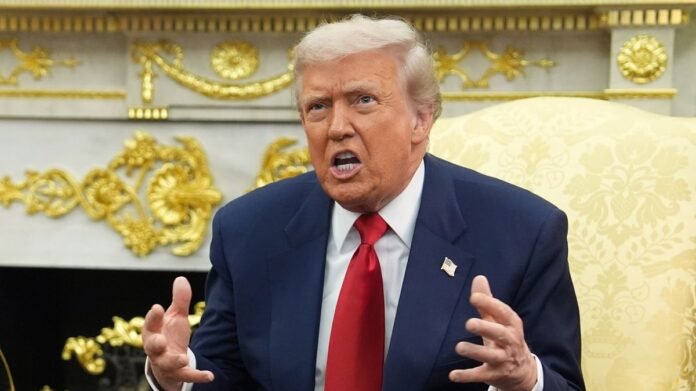

Inevitably, a man with limited power who has already experienced a loss was never poised to retain authority for an extended period. Despite Donald Trump’s waning political influence, his inability to acknowledge this decline goes unnoticed as media focus remains on his vocal outbursts. The current state of the US economy, escalating prices, strengthening opposition, and disinterest among his base in his past achievements in Ukraine and Gaza contribute to his diminishing popularity. Criticism from figures like Jefrey Epstein posthumously adds to his challenges, positioning him as one of the least favored US presidents in recent history.
Trump’s plummeting approval ratings signal a lack of satisfaction with his performance. Unfulfilled promises, such as controlling living costs and border security, coupled with economic stagnation and escalating global trade disputes, underscore his shortcomings. Additionally, aging at 79, Trump exhibits physical signs of decline, including fatigue at public events and reduced public appearances compared to his first term.
Politically, as midterm elections approach, Trump faces a critical juncture where his power typically diminishes, paving the way for potential successors within his party. The prospect of a younger, healthier candidate potentially replacing him, along with resurgent Democratic opposition, poses a significant challenge to his leadership. Amidst this political uncertainty, Trump’s recent directives to resume nuclear testing could escalate global tensions, potentially triggering a new arms race and jeopardizing international stability.
The ramifications of Trump’s decline extend beyond domestic politics, with implications for global power dynamics and democratic values. The risk of escalating conflicts and increased militarization underscores the urgent need for a reevaluation of leadership priorities. As the world navigates uncertain times, a shift in focus from Trump’s rhetoric to his actions is crucial for charting a path towards stability and progress.