
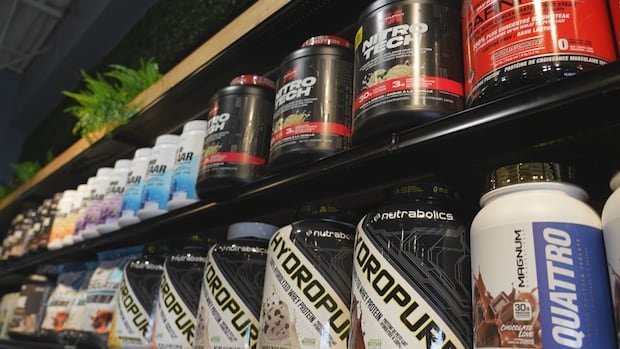

Jennifer Mason, a consumer looking to increase her protein intake, has incorporated whey protein powder into her diet for several years. However, she is now facing concerns over the escalating prices of the product. As a new mother dealing with rising expenses, she is reevaluating her purchasing decisions.
The demand for whey protein has surged, leading food manufacturers and fast-food chains to include it in a variety of products, from snacks to beverages. This heightened demand has resulted in shortages of whey protein and a surge in prices to unprecedented levels. Additionally, the ongoing U.S.-Canada trade conflict has further exacerbated the situation, potentially resulting in increased costs for consumers.
Various popular brands have begun incorporating whey protein into their offerings to cater to health-conscious consumers. Fitness influencers are promoting the trend of maximizing protein consumption, while individuals using weight-loss medications like Ozempic are also increasing their protein intake to prevent muscle loss.
John Murray, the marketing manager at Daryl’s Bars, a protein snack producer in Tecumseh, Ont., highlighted the challenges faced by smaller businesses in securing sufficient whey protein supplies amid the competition from major corporations. The majority of Canada’s whey protein concentrate is imported from the U.S., where prices have more than doubled in the past year and a half.
The escalating costs have forced Daryl’s Bars to raise prices on its products to cope with the financial strain. Murray emphasized the difficulty of sourcing alternative suppliers within Canada due to limited options.
The trade tensions between the U.S. and Canada have added further pressure on food manufacturers. In response to new U.S. tariffs on Canadian goods, the Canadian government imposed a 50% tariff on American whey imports, intensifying price hikes. Canadian businesses can seek relief through Ottawa’s tariff-remission program if domestic or non-U.S. sources are not viable.
Mike von Massow, a food economist at the University of Guelph, highlighted the challenges in rapidly increasing whey protein supply due to its production process complexity. He emphasized the costliness of drying liquid whey into powder, a critical step in the manufacturing process.
While consumers like Audrey Marcoux are willing to bear the increased costs for now, others like Nathan Bugiardini are considering cutting back if prices continue to rise. Some individuals are exploring plant-based alternatives and unprocessed foods as substitutes for whey protein amid the price surge, reflecting the impact on consumer behavior.