
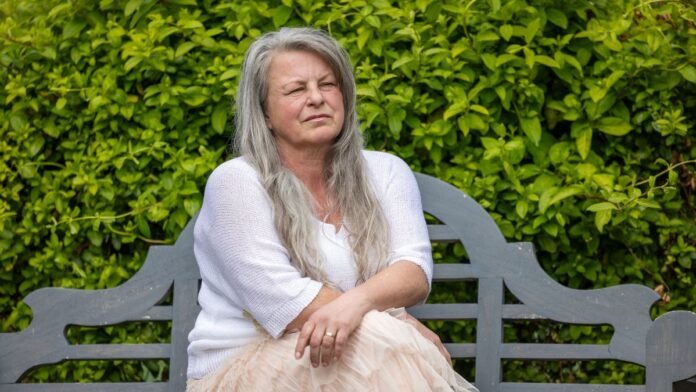

The widow of a man who ended his own life at Dignitas has penned a heartfelt letter to the House of Lords, urging them to demonstrate compassion. In a significant event, families who have lost loved ones will gather outside the Lords ahead of the pivotal Second Reading of the Assisted Dying Bill. Louise Shackleton, 58, residing in North Yorkshire, will be present among those hoping for the Lords’ support without hindrance. She emphasized the importance of granting individuals facing uncertain deaths the option to end their suffering on their terms.
The proposed legislation to legalize assisted dying under specific circumstances in England and Wales has successfully passed through the preliminary stages in the House of Commons. Now, it must undergo the same process in the House of Lords, where Members of Parliament will review any amendments suggested by peers before the bill can officially become law. Louise, who accompanied her husband Anthony, 59, to Dignitas in Switzerland last December as he battled motor neurone disease, is actively advocating for the Assisted Dying Bill.
In her open letter to the House of Lords, Louise shared the poignant story of her husband’s debilitating terminal illness and his decision to seek an assisted death abroad due to the current legal restrictions. She stressed the importance of providing all individuals, regardless of wealth or physical ability to travel, with the right to choose a dignified end to their suffering. The letter urged the Lords to consider the compassion and empowerment that the Terminally Ill Adults Bill can offer to those facing inevitable death.
Dignity in Dying, a campaign group supporting the Assisted Dying Bill, highlighted the human aspect of the debate, emphasizing the need for compassion, dignity, and choice at the end of life. The group expressed optimism about the bill’s progress, noting the unprecedented momentum for change fueled by public support and parliamentary backing. The statement underscored the significance of the impending decision in the House of Lords, which could bring the law closer to meeting the long-standing demand for compassion and choice in end-of-life care.
On the contrary, Care Not Killing, an alliance opposing assisted suicide, emphasized the importance of enhancing palliative care services in the UK to ensure peaceful and dignified deaths for individuals facing terminal illnesses. Dr. Gordon Macdonald stressed the need to prioritize funding for palliative care, citing the current gaps in access to essential support for individuals with life-limiting conditions.