
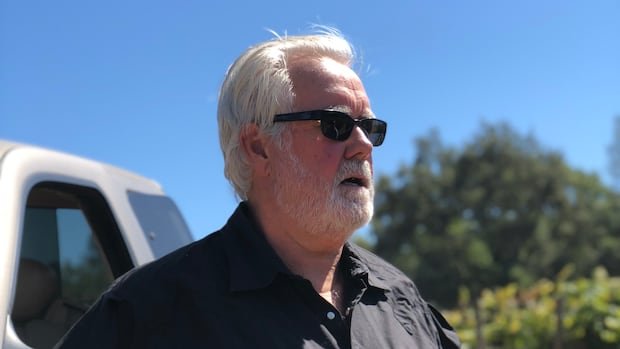

Winemaker Bill Easton used to ship his Syrah wine to Montreal every six weeks from his winery in California. However, due to Quebec’s decision to halt American alcohol sales last spring, Easton now incurs additional costs to store his wine for an extra month. He expressed frustration at being caught in the middle of trade negotiations between Canada and the U.S.
Canadian provinces ceased distributing U.S. alcohol products in response to tariffs imposed by President Donald Trump. Prime Minister Mark Carney has urged provinces to reconsider this ban to prevent new tariffs on Canadian goods. While some premiers are willing to comply with the deal, others are hesitant, fearing the unpredictable nature of the trade dispute.
The ban on American alcohol has affected various industries, with Washington expressing discontent over empty shelves where U.S. products once stood. The U.S. insists that Canadian liquor boards impose barriers on distribution. The Oregon Wine Growers Association and other industry groups emphasize the importance of rebuilding trust with Canadian buyers.
Despite the potential lifting of the ban, many Canadians remain hesitant to return to purchasing American alcohol. Companies like Phillips Distilling have already taken steps to localize production in response to the trade tensions. The trade data reveals a significant decline in U.S. wine exports to Canada, impacting American wineries’ revenues.
Industry leaders stress the need for a swift resolution to restore American spirits to Canadian shelves. However, winemaker Bill Easton remains cautious, citing significant financial losses due to the ban. He hopes for a return to normalcy but remains uncertain about the future.