
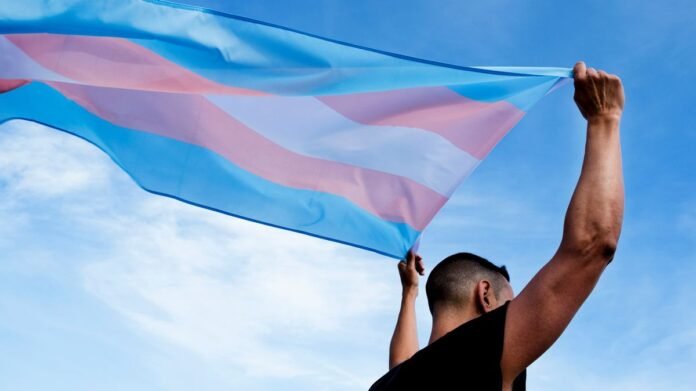

The discussion surrounding transgender rights is fundamentally about human rights. It is not a matter open for debate or scrutiny; it is about recognizing and respecting the equality, well-being, and very existence of transgender individuals.
Recently, Bridget Phillipson, the Minister for Women and Equalities, received guidance from the Equality and Human Rights Commission (EHRC) regarding the handling of ‘single sex spaces’. The guidance suggested that transgender individuals might face exclusion from such spaces based on their appearance, as reported by The Times.
Determining what defines a woman is not as simple as physical attributes. Womanhood is not solely tied to biology; it goes beyond that. Historically, feminists have fought for the autonomy of women beyond their physical characteristics.
The fixation on rigid definitions of gender roles and spaces can have detrimental effects on societal inclusivity and diversity. Imposing strict boundaries on gender identity can lead to ostracization and marginalization.
Enforcing strict regulations on single sex spaces can lead to invasive scrutiny and a loss of privacy for both transgender individuals and women. It is essential to balance the need for safe spaces with the respect and dignity of all individuals.
In the midst of these debates, it is crucial to remember the importance of treating all individuals with dignity and respect. Engaging in discussions that could potentially exclude or harm certain groups goes against the principles of empathy and equality.
Recent legal decisions, like the UK Supreme Court ruling on the definition of ‘woman’, highlight the ongoing debates and complexities surrounding gender identity. Despite being a minority group, individuals with diverse gender identities face discrimination and hostility.
Actress Jameela Jamil criticized the disproportionate focus on transgender individuals, emphasizing the need to address broader societal issues. Targeting marginalized groups only serves to divert attention from more pressing concerns.
Promoting diversity and inclusivity in society is essential for collective progress. Discrimination and prejudice against any group ultimately weaken the fabric of society.
It is crucial to uphold values of respect and understanding, rather than engaging in divisive discourse that undermines the rights and dignity of individuals. Embracing diversity leads to a richer and more vibrant society.