

As the winter season approaches, it’s natural to seek warmth and comfort, especially when it comes to bedtime. The good news is that achieving coziness doesn’t have to come with a hefty increase in energy expenses. Making simple, affordable adjustments can enhance your comfort levels while easing concerns about heating costs.
Renowned home organizer and television personality Dilly Carter offers valuable advice on preparing our homes for winter. According to Dilly, focusing on warming your bed at night can be a cost-effective strategy rather than heating the entire house.
She suggests switching to a winter duvet or incorporating an extra blanket for added warmth. An electric blanket can preheat your bed before you climb in and automatically shut off once you’re asleep, providing both comfort and energy efficiency.
In addition to bed-related tips, Dilly recommends enhancing insulation by adding budget-friendly, thicker linings to existing curtains. Preventing heat loss from your home is key to reducing energy expenses, she emphasizes.
When it comes to heating, Dilly advises ensuring that all radiators are properly bled to maximize heat distribution. Setting your heating timer to operate only during necessary hours can also contribute to cost savings. Understanding your house’s heating dynamics can help optimize the timer settings effectively.
Effective heat circulation is essential, so Dilly suggests rearranging furniture that obstructs radiators and avoiding the habit of hanging clothes on bedroom radiators, which can impede heat distribution.
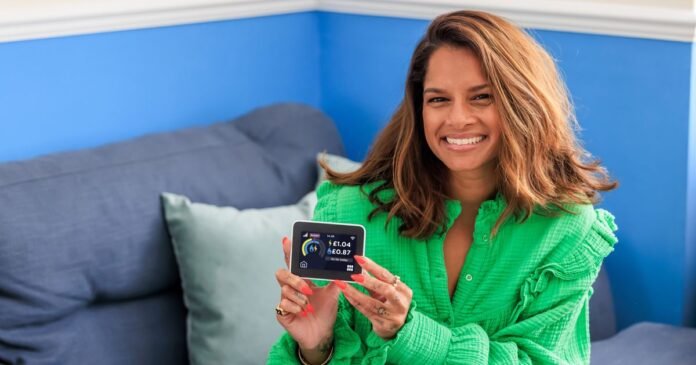
Dilly highlights the multitude of simple and cost-effective ways to keep your home warm during winter. Installing a smart meter is one of her top recommendations for gaining control over energy expenses. By monitoring your energy usage and costs, you can identify opportunities to reduce consumption.
Smart meters, provided by energy suppliers at no additional cost, offer real-time displays showing energy consumption in monetary terms. Dilly underscores the significance of addressing basic energy-saving practices rather than investing in high-tech solutions.
She concludes by emphasizing that taking care of fundamental aspects can significantly contribute to energy efficiency, without the need for major investments in advanced technologies. Remember, eligibility for smart meters may vary, and the displayed figures are for demonstration purposes only.