
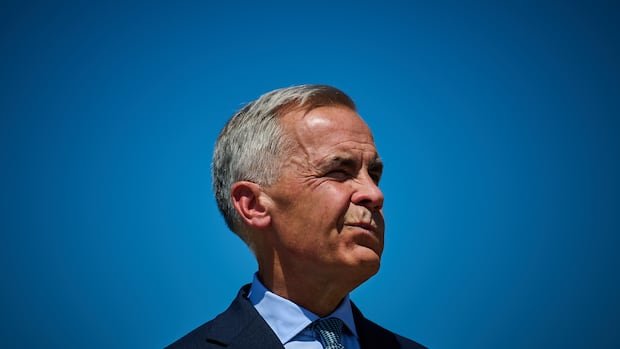

Prime Minister Mark Carney expressed the sensitivity and intensity of last-minute discussions with the U.S. to prevent new tariffs set to be imposed this week. Carney revealed plans to engage with his American counterpart within the next two days to secure a mutually acceptable agreement. He refrained from divulging details about the negotiations publicly, emphasizing the critical nature of the talks.
When asked about potential retaliatory measures if an agreement is not reached to avert the new tariffs threatened by President Donald Trump, Carney affirmed readiness for any scenario. The Prime Minister disclosed that discussions with Trump took place on Monday regarding the ongoing trade negotiations, as confirmed by Audrey Champoux, a spokesperson for Carney.
Canada’s Trade Minister Dominic LeBlanc and chief negotiator Janice Charette engaged in a series of talks with U.S. Trade Representative Jamieson Greer over the past three weeks. Their discussions aimed not only to avoid the proposed Section 338 tariffs but also to reduce existing tariffs on industrial goods like steel, aluminum, automobiles, and lumber in exchange for certain Canadian concessions.
Following an extended meeting on Monday afternoon between LeBlanc, Charette, Greer, and U.S. Commerce Secretary Howard Lutnick, it was anticipated to be the final ministerial-level session. However, the outcome of the meeting and the potential for further engagements remained uncertain.
Sources with knowledge of the negotiations suggested the possibility of another meeting between Canadian officials and Greer before the impending tariff deadline on Wednesday. Nonetheless, such a meeting had not been scheduled at that time. The American negotiation team was expected to brief Trump following the meeting with Canadian representatives.
The negotiations centered on the exchange of concessions between Canada and the U.S. The U.S. sought the reinstatement of American liquor sales in Canadian stores, removal of Canadian tariffs on U.S. automobiles, and adjustments to the allocation of quotas in Canada’s dairy sector. In return, Canada aimed to prevent the Section 338 tariffs and secure significant tariff relief for sectors impacted by existing U.S. levies.
Despite indications from Greer that the U.S. was unwilling to completely eliminate its tariff structure, Canada continued its efforts to negotiate for favorable terms. Erin O’Toole, a member of the Prime Minister’s advisory committee, acknowledged progress in discussions with the U.S. and emphasized the need for a fair deal beneficial to Canadian workers and the economy.
O’Toole outlined Canada’s readiness to respond in kind if Trump’s proposed 50% tariffs were implemented, stressing the importance of avoiding detrimental trade conflicts. He underscored the necessity of reaching a mutually beneficial agreement to safeguard both nations’ economies and workers.