
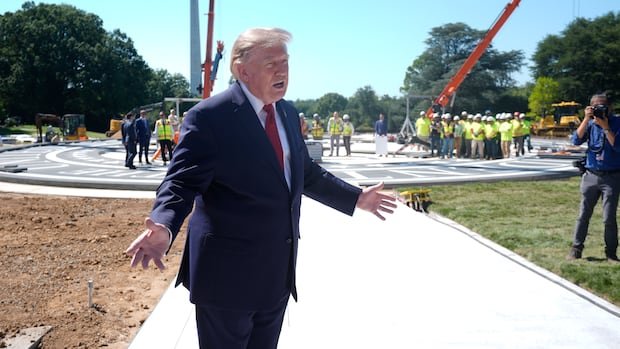

Canada and the United States are currently finalizing a trade agreement, anticipated to involve U.S. President Donald Trump reducing tariff rates on Canadian products. In return, there is a commitment to reintroduce American liquor into provincial stores, among other potential concessions. Prime Minister Mark Carney briefed provincial leaders on the emerging deal, emphasizing its focus on aiding sectors impacted by tariffs, although criticism is expected due to the tariffs not being completely eliminated.
While specific details of the agreement remain confidential, insider information suggests that U.S. tariffs on Canadian steel and aluminum could be reduced from 50% to 25%. Talks are ongoing regarding derivatives and exemptions. Additionally, the deal may involve lowering Trump’s tariff on Canadian-made cars and trucks from 25% to 15%.
The highly integrated North American auto market means that vehicles assembled in Canada often contain over 50% U.S.-manufactured components. If tariffs are applied solely to the non-U.S. portion, the effective rate could decrease by up to half, as noted by a source.
Following the meeting, Saskatchewan Premier Scott Moe commended Carney for working towards a top-tier trade agreement with the U.S., emphasizing the enhanced market access it would provide. Moe acknowledged the shift in the trading relationship due to Trump’s protectionist stance, stating that the current position is significantly improved compared to 24 hours prior.
Nova Scotia Premier Tim Houston expressed optimism about the deal, highlighting the preservation of Canada’s supply management system and the advantageous defense procurement provisions. He emphasized the positive direction in which the negotiations are progressing.
Carney has requested provinces to reintroduce U.S. alcoholic beverages in government-run liquor stores, a move supported by Houston. Trump has lauded the agreement as beneficial for both countries, without delving into specific details of the negotiations.
The Prime Minister’s Office conveyed Carney’s message to the premiers, emphasizing the importance of unity and a collaborative approach in the final stages of the negotiations. The goal remains securing optimal market access for Canadian businesses while strengthening domestic economic resilience and diversifying international partnerships.
Canada has been advocating for relief in sectors such as steel, aluminum, autos, and lumber, burdened by significant tariffs for over a year. The U.S. has proposed reducing these rates as part of the ongoing discussions, aiming to eliminate tariffs on Canadian imports entirely.
The business community has welcomed the pause in tariffs and urged expeditious resolution of a broader agreement. Candace Laing, from the Canadian Chamber of Commerce, stressed the need for certainty through a finalized interim deal, highlighting the importance of swift action in the current uncertain climate.