
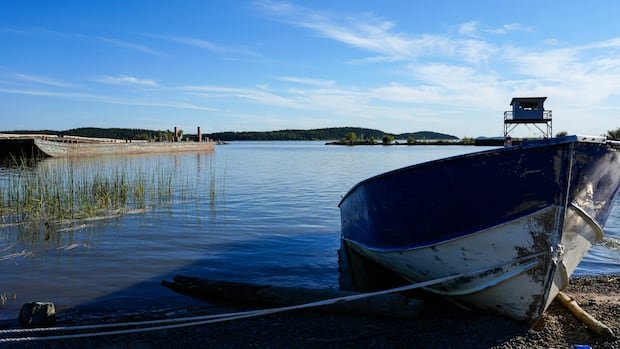

After persistent requests from local residents spanning more than 20 years, a federally funded investigation is set to commence to assess the health impacts of the oilsands on the inhabitants of Fort Chipewyan, an Indigenous community situated in northern Alberta. Many individuals in the region, located over 200 kilometers north of Fort McMurray, have long suspected a connection between cancer cases in Fort Chipewyan and the industrial activities upstream along the Athabasca River.
The Kearl mine operated by Imperial Oil, where a significant 5.3-million-liter wastewater spill occurred in 2023, is approximately 140 kilometers away from Fort Chipewyan. The nearest project is Suncor Energy’s Fort Hills mine, which is situated over 90 kilometers away.
The study will involve analyzing current and historical health records, investigating local disease trends, and monitoring both the residents and the environment. Additionally, researchers will evaluate how environmental alterations influence the community’s traditions and daily routines.
Ruby Ladouceur, the president of the Fort Chipewyan Métis Nation, emphasized in an interview with CBC News that the intention is not to assign blame but to seek clarity on the situation. She highlighted the need for concrete evidence before drawing conclusions regarding the industrial impact on health issues.
The research initiative, named Project Monument Hill after a local viewpoint overlooking Fort Chipewyan and Lake Athabasca, will span a 10-year period with a budget of $12 million. The project, announced by the federal government in August 2024, received initial funding in March for the planning and governance phases.
Ladouceur emphasized that the study methodology will integrate both western scientific approaches and Indigenous knowledge of the land. The overarching goal is to comprehend the intricate relationship between environmental conditions, traditional land use, and the well-being of the community.
Alberta currently lacks specific cancer data for rural areas of the Regional Municipality of Wood Buffalo (RMWB) and other parts of northern Alberta, according to a spokesperson from Alberta Primary and Preventative Health Services. The province primarily maintains general or regional cancer statistics, analyzing data over multiple years to safeguard privacy and ensure accurate trend interpretation.
Dr. John O’Connor, a vocal advocate for investigating cancer concerns in Fort Chipewyan since 2006, expressed satisfaction with the commencement of the study. However, he voiced concerns over the lengthy 10-year timeline, advocating for a more expedited research process given the pressing health issues faced by the community.
Previous reports on cancer in Fort Chipewyan have predominantly focused on medical records and health trends, overlooking individuals who have relocated, including those seeking cancer treatments. Notably, a 2009 study by the Alberta Cancer Board revealed elevated cancer rates in Fort Chipewyan compared to the rest of the province.
In 2014, researchers from the University of Manitoba identified hazardous levels of heavy metals and industrial contaminants in local flora and fauna, commonly utilized by Fort Chipewyan residents. Despite these findings, a report by Dr. James Talbot, the former chief medical officer of health for Alberta, suggested no direct link between cancers and industrial exposure, attributing the rates to other lifestyle factors.
Criticism from Fort Chipewyan leaders following Talbot’s report underscored the necessity for a comprehensive, long-term community health study rather than mere statistical reviews. Ladouceur highlighted that the new investigation aims to evaluate the environmental impacts on Indigenous health and community life, distinct from traditional lifestyle-focused analyses.
According to Callie Davies-Flett of the Athabasca Chipewyan First Nation, limited publicly available data impedes a thorough assessment of the correlation between cancer rates in Fort Chipewyan and environmental changes resulting from oilsands developments. She stressed the urgent need to address this issue, echoing the concerns raised by community members and elders regarding the widespread impact on residents.
The study, overseen by the Métis Nation, the Athabasca Chipewyan First Nation (ACFN), and the Mikisew Cree First Nation (MCFN), with federal government involvement as an observer, signifies a crucial step towards addressing the longstanding health concerns in Fort Chipewyan and sheds light on the complex interplay between environmental factors and community well-being.