
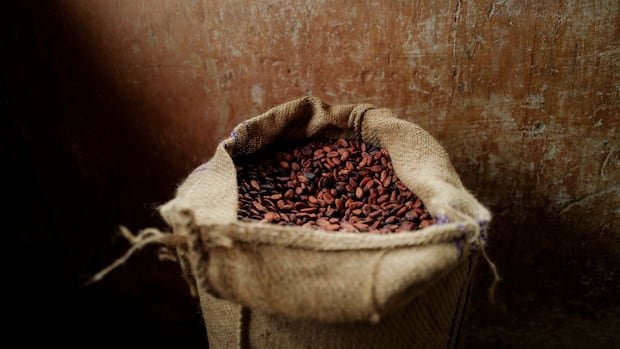

A recent peer-reviewed study highlights heavy rainfall as a significant threat to cocoa production, contrary to the common focus on heat and drought. Cocoa prices have surged in recent years, reaching around $6,000 per tonne, with factors like heavy flooding in West Africa contributing to the spike. Leslie Agyare, founder of Three Mountains Cocoa, emphasized the challenges posed by excessive rainfall on cocoa farming.
The study, published in the Proceedings of the National Academy of Sciences, examined the impact of extreme rainfall on cocoa production in Ghana, the world’s second-largest cocoa producer. It revealed that excessive rainfall during flowering can limit yields more than temperature fluctuations. The study also highlighted the increased risk of fungal infections due to heavy rain, affecting cocoa production in countries like Ecuador and Indonesia.
Climate change is exacerbating extreme rainfall events, with warmer air holding more moisture, leading to heavier rainfalls during the wet season. While El Niño typically reduces the risk of extreme rain in West Africa, it raises the likelihood of drought, further complicating cocoa farming. The study also identified non-climatic risks, such as aging trees and illegal mining, as additional threats to cocoa production.
Experts suggest interventions like fungicide use and improved drainage systems to mitigate the impact of extreme rainfall on cocoa crops. However, Agyare emphasized the need for significant infrastructure investments to address challenges faced by cocoa farmers, such as lack of reservoirs and post-harvest processing inefficiencies.
The study’s findings underscore the growing unattractiveness of cocoa farming in West Africa due to climate shocks, potentially leading to a decline in smallholder farmers. Concerns are raised about the future sustainability of cocoa farming amid changing climate conditions. Some companies are already exploring cocoa-free chocolate alternatives, citing a more resilient supply chain and reduced vulnerability to climate-related risks.
Nestlé recently partnered with a German cocoa-free chocolate startup, introducing ChoViva, a chocolate alternative made from sunflower seeds. This shift towards cocoa-free chocolate products reflects the industry’s response to rising cocoa prices and climate challenges. Experts warn that without addressing the underlying issues, the future of cocoa farming and chocolate production remains uncertain.