


Ken Erickson, a seasoned hunter in Saskatchewan since 1971, decided to halt hunting certain animals due to concerns about chronic wasting disease. Now, as a provincial program addressing the issue comes to a close, other hunters are contemplating a similar course of action.
The Saskatchewan government has opted to discontinue its chronic wasting disease testing initiative after encountering low participation from hunters. This disease impacts the neurological systems of cervids like deer, elk, and moose.
Erickson, noting the absence of human cases but mindful of his immunocompromised wife, expressed his reluctance to jeopardize his family’s well-being by potentially exposing them to the disease.
Reflecting on his hunting journey that began in Thunder Bay, Ont., at eight years old, Erickson, who moved to Regina in the 1970s, has amassed extensive experience hunting on the prairies. He has also shared his expertise with fellow hunters and served as a guide in northern Saskatchewan and northern Alberta.
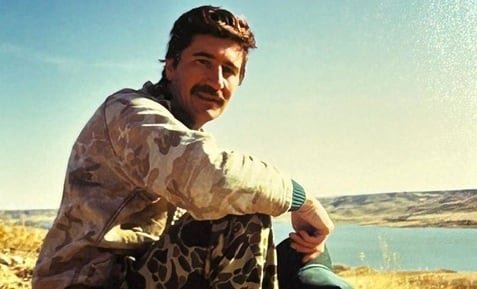
Ken Erickson, who relocated to Regina in 1971, emphasizes his cautious approach towards chronic wasting disease. (Submitted by Ken Erickson)
While Erickson now primarily hunts birds due to the challenges of handling large game alone with advancing age, he expressed a desire to pursue deer hunting again if not for the risks associated with CWD.
Expressing disapproval of the province’s decision, Darrell Crabbe, the executive director of the Saskatchewan Wildlife Federation, highlighted the program’s importance in ensuring the safety of meat for consumption and the sense of security it provided to hunters.

The province plans to utilize alternative methods to monitor wildlife health and population, as per the environment ministry. (CBC News)
The Saskatchewan government disclosed that the disease has been detected in 63 out of the province’s 83 wildlife zones since data collection commenced. Mandatory testing was enforced in specific zones, with samples from these regions submitted by October 31 to be processed.
However, samples from voluntary submission zones will not undergo testing, raising concerns about the effectiveness and logistical aspects of the program, as mentioned by Crabbe.
Ryan Brook, a professor at the University of Saskatchewan, expressed surprise at the program’s termination, emphasizing the importance of such initiatives and the need for consultation before making such decisions.
Erickson voiced apprehension about the potential repercussions of the program’s discontinuation, fearing an increased risk of disease spread and a shift towards targeting younger animals, assuming they are less likely carriers of CWD.
Potential Implications
Crabbe highlighted that a significant portion of revenue from hunting, fishing, and trapping licenses in Saskatchewan supports the chronic wasting disease program. The decision to end the program has prompted some hunters to consider retiring from hunting activities.
Brook emphasized the necessity for the government to address the issue comprehensively beyond data collection by implementing measures like prohibiting baiting and tackling transmission concerns.