

Canada’s initiative to construct a $267 million medical countermeasures facility in Winnipeg is deemed crucial in preparing for future pandemics. However, experts highlight significant obstacles related to securing ongoing funding, staffing, and governance for the facility.
The federal government recently awarded a $10.2 million contract for the facility’s design, with plans for completion by 2033 adjacent to Winnipeg’s National Microbiology Laboratory (NML). While the laboratory’s primary goal is to fill a critical testing gap for early-stage vaccines, treatments, and diagnostic tools, health experts stress that having a new building alone will not suffice without sustained investments in skilled personnel over the long term.
Dr. Joanne Liu, a physician, professor at McGill University, and former international president of Médecins Sans Frontières, emphasized the importance of having competent human resources to establish a world-class center alongside the infrastructure. She highlighted the need for tangible actions to support the facility’s objectives.
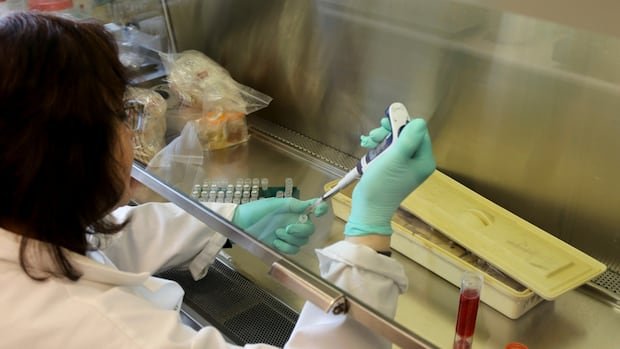
The proposed facility aims to enhance Canada’s capacity for preclinical trials, providing dedicated space for laboratory and animal testing within the country’s research and development framework. Currently, due to space constraints, the NML sometimes repurposes labs designated for studying high-risk pathogens like Ebola to conduct preclinical trials.
Both industry and academic partners could potentially utilize the laboratory spaces, subject to appropriate agreements, screenings, and vetting processes. Enhancing Canada’s capabilities in this area has long been discussed by health officials, with the goal of facilitating the transition of vaccine discoveries from universities to early human safety trials.
Ensuring sustained funding during non-crisis periods is crucial for the project’s success, according to experts. Maintaining a long-term perspective and investment commitment in pandemic research, even during lulls in public attention, is essential to address future health threats effectively.
Concerns were raised about potential governance risks and bureaucratic challenges if the countermeasures lab is solely government-run. Past experiences, such as the development of the Ebola vaccine amid funding cutbacks and technology transfer issues, serve as cautionary examples of the importance of stable governance and financial support for such initiatives.
Despite challenges, the Public Health Agency of Canada reaffirmed its commitment to strengthening Canada’s medical countermeasures capacity and expanding preclinical research. The agency emphasized the presence of a robust talent pipeline and ongoing funding for the initiative.
In conclusion, the success of the medical countermeasures facility hinges on sustained funding, recruitment of top-tier researchers, and efficient governance to navigate potential obstacles and ensure long-term viability.