
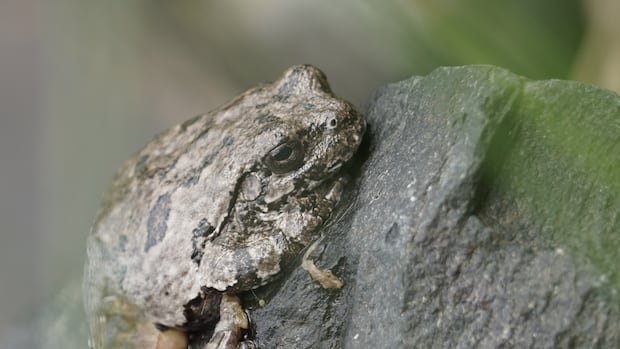

The occurrence of thickened skin shedding from sluggish frogs and toads, along with breathing and eating difficulties, indicates the presence of chytridiomycosis, a deadly fungal disease known as an “epidermal epidemic,” causing the extinction of multiple amphibian species globally.
Chytridiomycosis has not been officially identified in Manitoba, Canada. However, the widespread presence of the pathogen in other regions suggests it likely exists in the province. Chytrid infects frogs through Batrachochytrium dendrobatidis and salamanders through Batrachochytrium salamandrivorans, with the latter originating in East Asia and devastating local salamander populations in Europe.
While chytrid has not crossed over to North America, its impact on amphibians is significant, leading to the extinction of at least 90 species and affecting over 500 others. Described as the worst infectious disease among vertebrates, its establishment in the U.S. and Canada has raised concerns.
Studies have shown a high prevalence of chytrid in frog populations in Alberta and British Columbia, causing declines in species such as the federally endangered northern leopard frog. The decline of the leopard frog population in Manitoba, historically home to 16 amphibian species, is suspected to be linked to chytrid outbreaks.
Despite the absence of confirmed cases in Manitoba, the risk to amphibians in the region is increasing due to environmental and climatic changes. Researchers are actively monitoring wetland habitats for signs of the pathogen to prevent further declines in amphibian populations.
Efforts to combat chytrid include proactive monitoring programs at Brandon University, aimed at identifying and potentially treating infected amphibians. Geographic modeling data helps pinpoint habitats where the pathogen could thrive, offering insights into wetland health and broader environmental impacts.
Research on inoculating young leopard frogs against chytrid has shown promising results, with treated frogs exhibiting higher survival rates. Scaling up such treatments could enhance reintroduction efforts and improve the chances of amphibian conservation.
In conclusion, proactive measures and ongoing research are essential to protect amphibian populations from the devastating effects of chytridiomycosis, highlighting the importance of conservation efforts to prevent further species decline.