
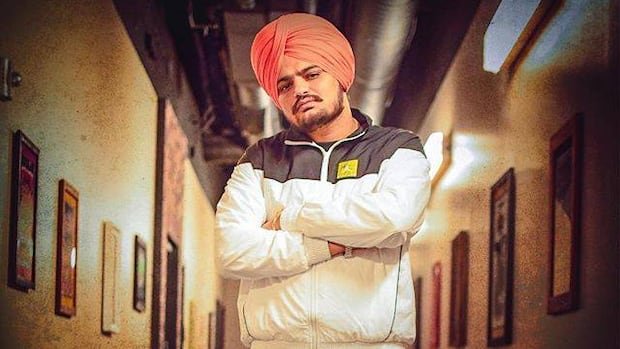

Ravinder Sidhu and his sister Nav journeyed from India to Toronto to attend Sidhu Moose Wala’s Signed to God world tour at Scotiabank Arena. They invested $550 each for tickets, anticipating a unique experience. The Punjabi rapper, who originated his music career in Canada, tragically passed away in 2022 after being attacked by gunmen near his hometown in Northern India. At the recent performance, a hologram stood in for Moose Wala, showcasing the cutting-edge technology’s potential to provide fans with a remarkable show at a premium cost.
Expressing his excitement, Ravinder shared with CBC News outside the venue before the event, “Maybe it will be futuristic. We can’t express it. We’re over-excited.” Another fan, Harry Singh, disclosed that he paid $270 for his ticket, in addition to airfare from California.
Singh mentioned how ticket prices surged closer to the event, highlighting the value of purchasing early. Some online listings for the Toronto show advertised tickets for nearly $2,000 before taxes and fees, reflecting the high demand. Singh hoped that the holographic experience would live up to its promises.
Following the show, Singh reported that the concert featured an unreleased song titled “Rebirth” and a special appearance by the late rapper’s younger brother. In a video he captured during the performance, Singh is surrounded by a crowd holding up smartphones, singing along with both the live audience and the hologram of Moose Wala on stage.
Sidhu Moose Wala’s rise to fame occurred while he resided in Brampton, Ontario, a hub for the Punjabi diaspora. The rapper frequently paid homage to the city in his music, with his 2018 track “B-Town” serving as a direct tribute to Brampton.
The emergence of digital-first performances is gaining traction, with music journalist Alan Cross pointing to successful ventures like Abba Voyage in London, where digital avatars of the iconic pop group perform live with a band. Cross noted that factors like aging rock stars, catalog acquisitions, and a tech-savvy audience contribute to the holographic concert trend.
David Nussbaum, founder of Proto, a hologram company based in Los Angeles, emphasized the practicality of reviving deceased stars through technology. Nussbaum detailed their work with Jack and Sharon Osborne to recreate Ozzy Osbourne, utilizing an AI avatar capable of interacting with fans in multiple languages, enhancing the connection between artists and their admirers.
The evolution of holographic technology, illustrated by past events like Tupac Shakur’s holographic appearance at Coachella in 2012, indicates a growing trend in entertainment. Looking ahead, Nussbaum envisions seamless integration of AI-powered holograms into various settings beyond music, such as healthcare, education, and museums.
With advancements in artificial intelligence, the prospect of holographic experiences becoming commonplace, even in household settings, appears imminent. Levy predicts a future where advanced 3D AI capabilities will be integrated into everyday multimedia devices, revolutionizing how individuals interact with technology and entertainment.
As the industry progresses towards these innovations, the potential for immersive holographic experiences to become part of everyday life becomes increasingly likely.