
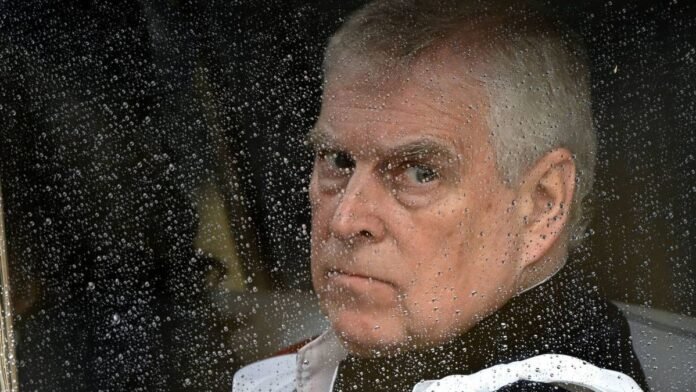

Prince Andrew has undergone a significant demotion within the Royal Family, marking a dramatic shift in his status and privileges. Formerly known as Prince Andrew, he now goes by the name Andrew Mountbatten-Windsor after being stripped of his royal title. In a symbolic move, he is vacating his expansive 30-room residence in Windsor for more modest accommodations on the Sandringham estate, effectively shielding him from public scrutiny.
While the Royal Family views this transition as a form of exile and punishment, to the general public, it appears more like a strategic avoidance tactic. By relocating to a secluded estate with limited public access, Andrew aims to distance himself from the ongoing controversies and allegations that have tarnished his reputation. Despite the palace’s portrayal of this move as a disciplinary measure, many unanswered questions linger regarding his past actions and associations.
For over two decades, Prince Andrew resided rent-free at the Royal Lodge, spending millions on renovations to the property. However, his official royal duties ceased in 2019, with his only role being hosting events for entrepreneurs. Questions arise as to why he continues to benefit from taxpayer-funded privileges while facing serious accusations and legal challenges.
His connections to individuals of questionable character, such as Jeffrey Epstein, have raised concerns about his judgment and integrity. The delay in addressing these issues and the lack of accountability within the Royal Family have sparked public outrage and demands for transparency. Despite attempts to shield him from public scrutiny, the truth behind his actions and associations remains a pressing issue that cannot be ignored.
The current circumstances surrounding Prince Andrew’s situation highlight the need for accountability and adherence to ethical standards among the royals. The lack of transparency and the apparent protection of privileged individuals raise broader questions about the monarchy’s accountability to the public and the principles of public life. It is imperative that all members of the Royal Family are held to the same standards as other public figures, without exceptions or special treatment.
As Prince Andrew navigates this period of transition and scrutiny, the public remains vigilant in seeking answers and accountability for his actions. The monarchy’s efforts to shield him from the consequences of his past decisions may not suffice in addressing the underlying issues that have sparked public outrage and controversy. Only through transparency and accountability can the Royal Family regain the trust and respect of the public.