
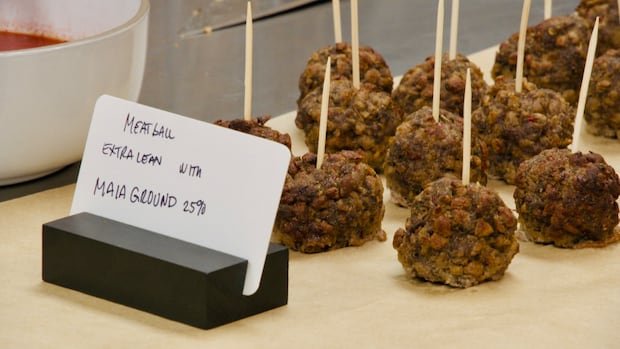

Maia Farms in Vancouver has developed a unique way to cultivate mycelium, the root-like networks of fungus that give rise to mushrooms, using a specialized bioreactor. This innovative process allows for precise control over the growth environment, ensuring optimal conditions for the mycelium to thrive.
The resulting mycelium product can be combined with various protein sources to enhance the nutritional content and texture of meals, making it a versatile ingredient for the food industry. Particularly, Maia Farms targets the meat industry, offering a sustainable and cost-effective solution to incorporate mycelium into products like sausage rolls, meatballs, and burger patties.
In addition to the economic advantages, using mycelium as a meat substitute also has environmental benefits. Compared to traditional beef production, mycelium production generates significantly lower carbon dioxide emissions and requires less water, making it a more eco-friendly choice.
While the plant-based meat market has seen declines in sales, Maia Farms aims to challenge this trend by scaling up mycelium production to meet market demands efficiently. Chief Innovation Officer Sean Lacoursiere emphasizes the company’s commitment to producing mycelium at a competitive level, highlighting the sustainability and taste benefits of incorporating mycelium into food products.
Despite any initial hesitation, the consumption of mycelium is not new and has a long history as a culinary ingredient. As Lacoursiere points out, mycelium, particularly oyster mushrooms, has been consumed for centuries and offers a delicious and nutritious alternative for modern consumers.