
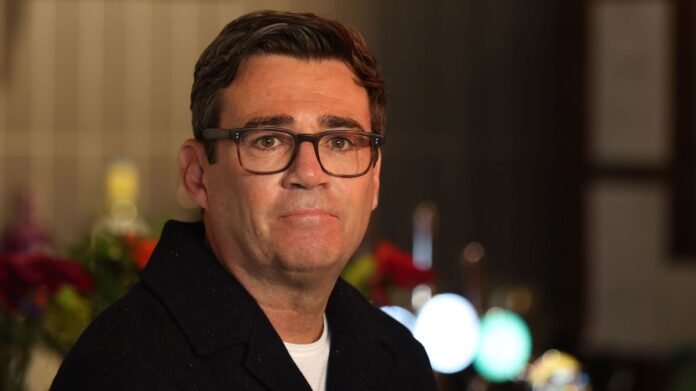

Andy Burnham has once again criticized Keir Starmer, stating that now is not the appropriate time to introduce digital ID cards. The Greater Manchester Mayor’s remarks at Labour’s annual conference have garnered attention, fueling speculation about his potential leadership aspirations.
During a live event hosted by the Guardian Politics podcast, Burnham expressed his reluctance towards supporting digital ID, emphasizing that the timing was not suitable. He also refrained from confirming whether he would relinquish his mayoral position amid rumors of a potential parliamentary bid with ambitions of leading the Labour party.
When questioned about his future plans, Burnham evasively responded that predicting the future was uncertain but emphasized his dedication to his current role as the mayor of Greater Manchester. He declined to disclose any discussions with MPs regarding a leadership bid, stating that without a parliamentary presence, launching a leadership campaign was not feasible.
Criticism of the proposed digital ID cards marked Burnham’s recent interventions at the conference. The policy, introduced by Starmer as a significant announcement ahead of the conference, outlined the introduction of “BritCards” for adults in the UK. While not mandatory, these digital IDs would be required for job applications and housing rentals to facilitate verification of individuals’ right to reside and work in the country.
Burnham also used the platform to advocate for scrapping the two-child benefit limit, proposing reforms in land value taxation and council tax. He urged the government to rebalance the tax system, emphasizing the need to address the overtaxation of work and the undertaxation of wealth and assets.
Addressing economic critiques, Burnham defended his proposals, including a 50p top rate of income tax, tax reductions for lower earners, and a shift away from dependence on foreign borrowing. Despite veiled criticism from other party figures, Burnham reiterated his financial prudence in managing Greater Manchester.
Expressing his long-term vision, Burnham shared his hope of rejoining the EU in the future, emphasizing the benefits of unions for prosperity. He also criticized the perceived climate of fear within Labour, highlighting the suppression of debate on governmental direction and advocating for change in the party’s leadership approach.
Burnham clarified that his interventions aimed to spark a dialogue on the party’s trajectory rather than positioning himself for leadership.