

The state of the public finances, facing a significant deficit, has triggered intense speculation regarding potential tax increases in the upcoming Budget session. While discussions have included the option of raising VAT, this move could expose the Labour Party to criticism, as it previously vowed not to raise taxes on working individuals.
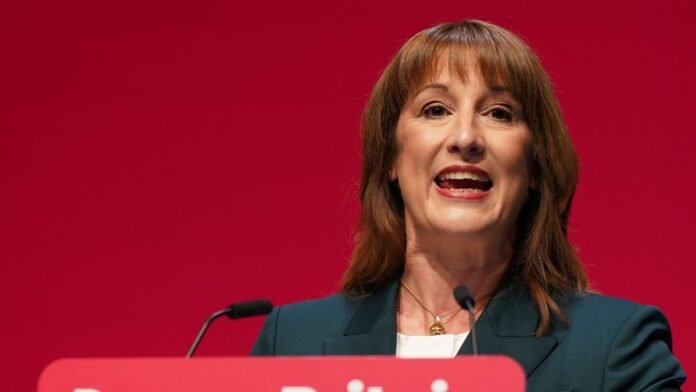
Chancellor Rachel Reeves has indicated a shift in circumstances since the election manifesto pledge, leading to rumors of a possible reversal on the VAT issue. Despite this, Prime Minister’s Chief Secretary Darren Jones refrained from confirming if Labour would uphold its manifesto commitment, emphasizing a non-committal stance.
VAT, known as Value Added Tax, is a key revenue generator for the government, contributing significantly to the Treasury’s coffers. The current VAT rate stands at 20%, with projections showing it could yield around £180.4 billion this fiscal year. Adjusting the rate, such as increasing it to 21%, could potentially raise substantial additional revenue.
While VAT is applied to about half of all goods and services, certain categories are zero-rated, including essential items like food. The UK now has the flexibility post-Brexit to set its own VAT rates within a range of 15% to 25%. Any changes to VAT could impact consumers, potentially leading to price hikes.
Considering alternative options, the government may explore imposing VAT on specific goods or services rather than a blanket increase. However, this approach also poses challenges and trade-offs. For instance, taxing private healthcare, which is currently exempt, could generate significant revenue but may face opposition due to its potential impact on middle-class families.
Other proposals include revisiting VAT on items like solar panels or unhealthy foods currently zero-rated, which could align them with existing taxed products. Lowering the VAT registration threshold for small businesses is another option under consideration, though it could burden these enterprises with added costs and administrative complexities.
In light of the complex implications and public reactions associated with potential VAT adjustments, the government faces a delicate balancing act to address the fiscal shortfall while avoiding adverse repercussions on various segments of society.