
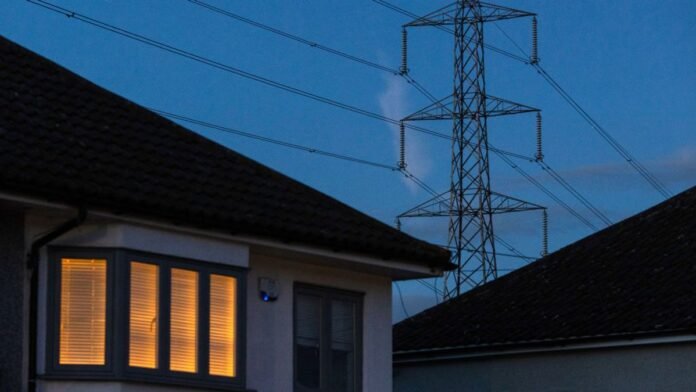

Criticism arose as watchdogs approved a £28 billion deal with energy giants, leading to an estimated £110 annual increase in customer bills.
Ofgem, the industry regulator, has granted permission for companies to enhance and invest in their electricity and gas networks over the next five years.
These firms will be able to recover the investment from customers, with an initial £40 increase in bills starting next April, escalating to £108 annually by 2031. However, Ofgem projects that considering the anticipated savings from such substantial investments, the actual increase in 2031 per customer will be closer to £30.
The finalized deal surpasses Ofgem’s earlier proposal by £4 billion, following pressure from industry advocates. Ofgem argued that the investment would lessen the UK’s dependence on imported energy and ultimately save households money.
Citizens Advice criticized the latest agreement, asserting that network companies had already accumulated £4 billion in excessive profits over the past four years. Gillian Cooper, the organization’s energy director, warned of an approximate £40 hike in energy bills starting in April 2026, with further increases anticipated in the future.
Simon Francis, coordinator of the End Fuel Poverty Coalition, cautioned Ofgem about potentially offering unchecked support to network and transmission firms. He stressed the need for thorough scrutiny and consumer protections, highlighting the substantial profits made by these companies amidst the ongoing energy crisis.
Greenpeace UK’s senior climate advisor, Charlie Kronick, emphasized the importance of reducing energy costs for households and businesses as the transition to cleaner energy sources progresses. Kronick urged government intervention to ensure that energy systems prioritize consumers over profits.
Dale Vince, founder of Ecotricity, highlighted the necessity of disconnecting wholesale gas prices from electricity rates to lower energy bills. Vince criticized Ofgem’s stance on renewable energy’s impact on bill reduction, emphasizing the need to address the influence of global gas prices on domestic energy costs.
Andy Prendergast, national secretary of the GMB union, welcomed the long-overdue investment in gas and electricity infrastructure, emphasizing its potential to enhance energy independence and foster economic growth.
The investment will primarily focus on upgrading power lines, cables, and gas pipes rather than energy suppliers, with nearly £18 billion allocated for gas networks and around £10.3 billion for the electricity grid’s enhancement.
Households can expect a £108 rise in network charges by 2031, covering the additional investment costs, up from the initial estimated £104 increase outlined in July.
Jonathan Brearley, Ofgem’s chief executive, emphasized that the investment aims to facilitate the transition to alternative energy sources and support industrial growth while safeguarding against volatile gas prices.
A government spokesperson underscored the necessity of upgrading