
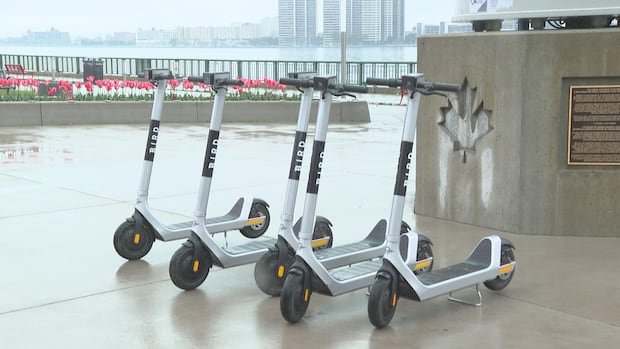

Nearly 50 Bird Canada electric scooters have been reported stolen from the streets of Windsor, Ontario, in recent weeks, as confirmed by the micromobility company’s general manager, Patrick Graham. The thefts primarily target the scooters’ lithium-ion batteries, which are then sold on the black market. Graham expressed gratitude for the collaborative efforts of the police in addressing the issue.
Despite the thefts, with approximately 400 scooters in operation in Windsor, Graham mentioned that the company’s ability to serve the city is not severely impacted. To maintain the local fleet, Bird has relocated scooters from other cities.
Following the conclusion of its pilot contract, Bird reintroduced its scooters and e-bikes to Windsor earlier this summer, allowing users to rent them through a smartphone app and return them to designated parking areas across the city.
While Bird operates in over 20 Canadian cities, Graham noted that thefts are more prevalent in Windsor compared to other locations. Although periodic thefts have occurred during the company’s five-year presence in the city, the recent surge is concerning. Graham attributed the thefts to organized crime groups with the capability to dismantle the vehicles swiftly and sell the stolen batteries discreetly.
Windsor police recently sought public assistance after seven Bird scooters were stolen in August, with some recovered scooters found stripped of parts, including their batteries. Despite the challenges posed by thefts, Graham remained confident that authorities would apprehend the perpetrators, given the traceable information within the vehicles.
While reaching out to mobility device retailers in Windsor, CBC found no reports of theft involving products containing lithium-ion batteries. Jessica Senay, the general manager at Comfort Mobility and Home Health Care, emphasized the importance of safeguarding such valuable items and recommended insuring them against theft.
Ultimately, the theft of Bird scooters in Windsor highlights the ongoing challenges faced by micromobility companies in combating organized crime activities targeting their assets.