
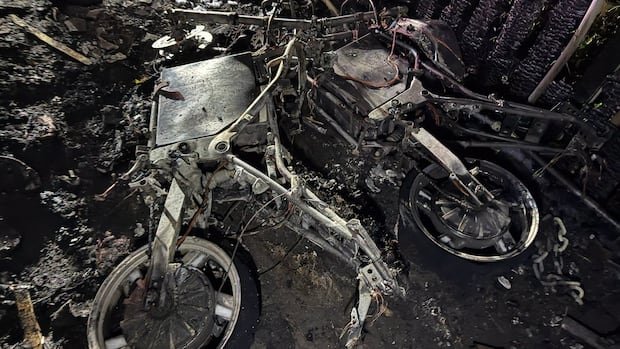

Firefighters are expressing concerns over the dangers posed by rapidly spreading and intense fires in lithium batteries, such as those found in e-bikes at residential properties like Toronto and Peterborough, Ontario, and large storage batteries at a Prince Edward Island solar farm. These incidents have prompted restrictions on electric bikes and cars in various settings, including buildings, public transportation, and ferries, impacting individuals reliant on these modes of transport and causing some to hesitate in adopting electric vehicles.
As Fire Prevention Week is observed, focusing on lithium batteries as the official theme, there is a spotlight on the challenges posed by lithium battery fires and strategies to mitigate associated risks. While Canadian fire departments lack consistent tracking of such incidents, estimates suggest around 1,500 fires caused by lithium batteries occurred in 600 communities across Canada last year, with a notable increase alongside the rise in lithium battery-powered devices.
The occurrence of lithium battery fires is highest in personal devices like e-bikes and e-scooters, while electric vehicle (EV) and energy storage battery fires are less common due to stringent testing and safety measures incorporated into these systems. Although comprehensive nationwide statistics on EV fires in Canada are lacking, data from the U.S. indicates their rarity compared to fires in traditional gas-powered vehicles.
The initiation of lithium battery fires can be attributed to factors such as physical damage leading to short circuits, overheating from improper charging methods, or exposure to external heat sources. These fires carry unique risks as they burn hotter and faster, can sustain themselves by generating oxygen, produce toxic byproducts, and have the potential to reignite even after extinguishment. Firefighters face challenges in handling such incidents, as only a limited number of departments have specialized training and equipment for lithium battery fires.
To reduce risks associated with lithium batteries, it is advised to opt for certified batteries with safety features, charge devices correctly using appropriate chargers on non-flammable surfaces, and ensure proper recycling at designated drop-off sites. Precautionary measures also include avoiding modifications to batteries and handling damaged units appropriately to prevent safety hazards.
In conclusion, awareness and adherence to safety guidelines are crucial in minimizing the dangers posed by lithium battery fires, emphasizing the need for proactive measures to prevent and effectively manage such incidents.